Why a Level Slate Matters More Than Any Other Part of Your Pool Table
New cloth and good cushions can't fix a table that isn't level. Here's why the slate underneath is the part that decides how a table actually plays.
September 23, 2026 · 4 min read
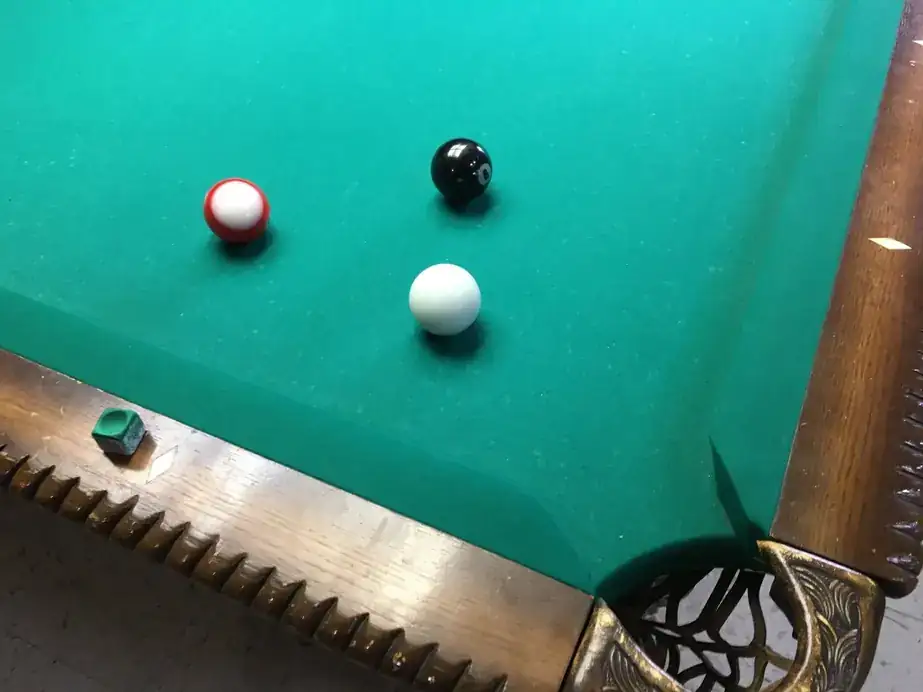
Buy the best cloth on the market, install cushions from the best maker in the world, and it will not matter if the slate underneath is out of level. A table's slate is the foundation everything else sits on, and even a small tilt or an uneven seam between slate sections will show up in how a ball rolls, no matter how new or expensive the surface on top is. Leveling runs through almost every A+ Some Assembly Required service: a move ends with precision leveling at the new address, every recover includes it, and servicing starts with it.
What 'Level' Actually Means on a Pool Table
A table being level isn't just about the four legs sitting evenly on the floor. It's about the slate itself being flat and level across its whole surface, including at the seams where two or three pieces meet. Most slate tables use multiple pieces rather than one solid slab, and if those pieces aren't shimmed to sit at exactly the same height and angle as each other, the table can look perfectly level to the eye while still playing unevenly across a seam line. This is why leveling is a specific, careful process rather than something checked once with a bubble level and forgotten.
What an Off-Level Table Does to Play
A ball on an unlevel table doesn't roll in a straight line, it drifts, and it does it consistently in the same direction every time, which is worse than random bad luck because it teaches a distorted sense of the game to anyone who plays on it regularly. Shots that should be straightforward start missing in the same direction. Balls left sitting on the table slowly creep toward one pocket or rail on their own. Over enough games, players adjust without realizing it and then struggle on a properly level table elsewhere, wondering why their read on the ball has stopped working.
How Leveling Actually Gets Done
A+ Some Assembly Required levels slate using solid hardwood wedges, made in-house and glued in place. Precision leveling is part of every recover service and part of a move, where the job runs from careful disassembly to precision leveling at the new destination. The slate seams are hand-waxed with pure beeswax, so the surface reads as one continuous plane rather than separate pieces with tiny ridges between them. Repair work on an existing table includes slate leveling, because a table that's been in one spot for years can still drift out of level as a house settles or a floor shifts.
Why Some Tables Drift More Than Others
Not every table is equally prone to drifting out of level. Tables in basements or on ground floors sit on more stable footing than tables on upper floors where a wood joist system flexes more over time. Tables near exterior walls or windows see bigger swings in humidity than tables in an interior room, and humidity changes affect wood framing even when the slate itself doesn't move. None of this means a table needs constant adjustment, but it does explain why two identical tables in two different rooms can age very differently, and why a periodic check makes more sense than assuming a table installed level will stay that way forever.
Signs Your Table Might Be Off Level
A few things to watch for that suggest a table's slate needs attention:
- A ball placed anywhere on the table rolls toward one corner or rail on its own
- Shots that should go straight consistently drift the same direction, game after game
- You can feel or see a slight ridge running across the table where slate sections meet
- The table has been moved, or the house has settled, since it was last checked
- One or more legs seem to bear more weight than the others when you push down on a corner
Leveling Isn't a One-Time Job
Wood floors shift with humidity, houses settle, and a table that was perfectly level the day it was installed can drift over years without anyone noticing gradually. That's part of why A+ Some Assembly Required's servicing work includes checking frame stability, hardware tightness, and rail alignment along with the slate itself: a loose leg or a shifted frame can throw off leveling even if nobody touched the table. Checking periodically, rather than waiting until the play feels obviously wrong, catches the problem while it's still a simple fix.
If your table in the Cincinnati area has started playing differently than it used to, or you've never had the slate checked since it was installed, call A+ Some Assembly Required at (513) 258-6411 for a free estimate.
A+ Some Assembly Required, (513) 258-6411
Call (513) 258-6411More articles
What Actually Happens When a Slate Pool Table Gets Moved
A look at what goes into moving a real slate pool table, from taking it apart to setting it level again in its new home.
Buying an Antique Pool Table: The Questions Worth Asking First
Antique pool tables carry real history, but only if the slate, rails and cushions underneath are still sound.